
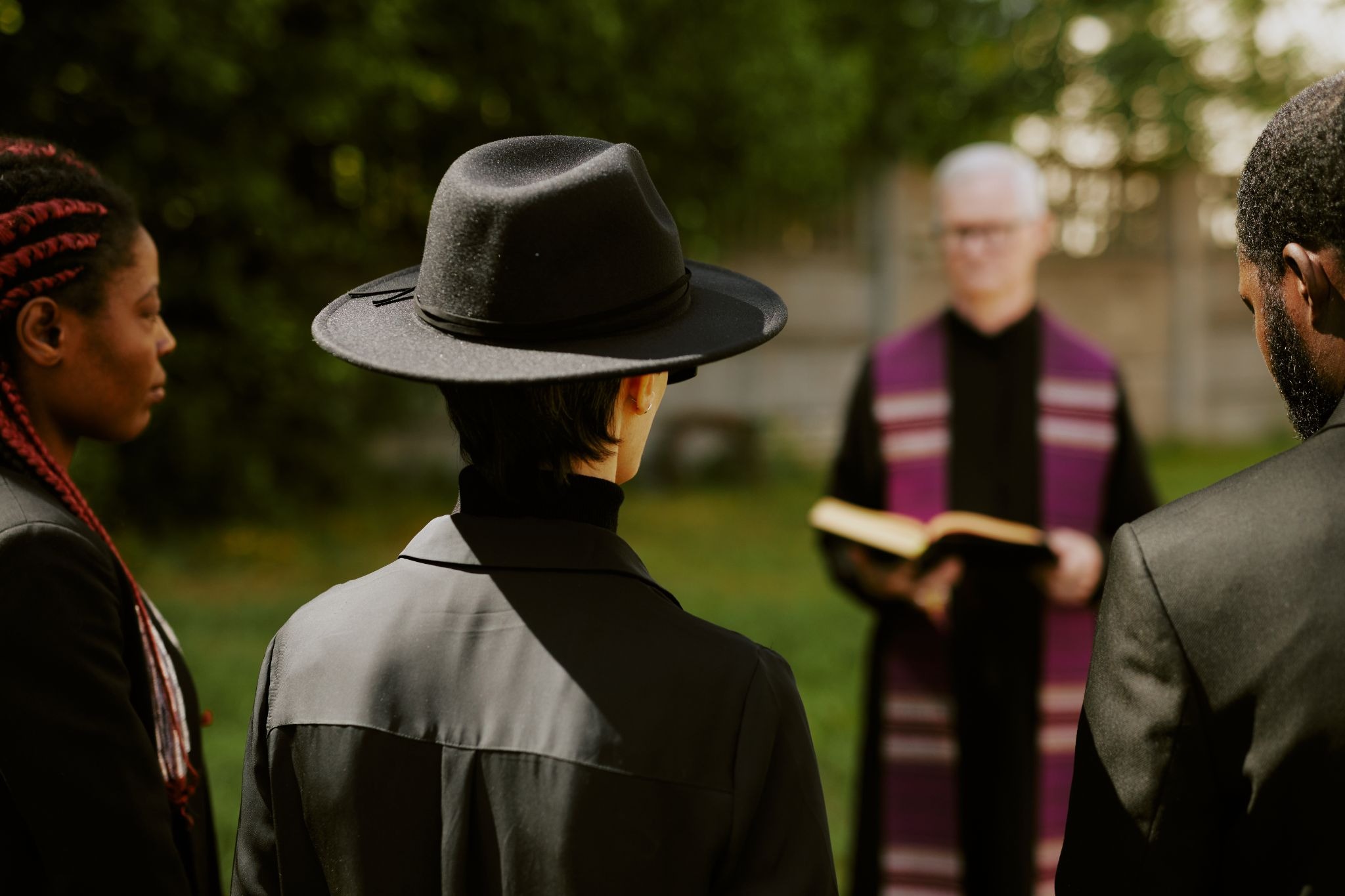
In today’s fast-paced world, the role of local church communities in shaping spiritual lives cannot be overstated. These communities provide an essential support system that fosters personal growth, connection, and purpose. As individuals navigate their faith journeys, local churches serve as a guiding light, helping to nurture spirituality in practical and impactful ways. This blog will explore how local church communities influence spiritual lives through belonging, education, service, and support, offering real-world applications and insights for those seeking deeper connections within their faith communities.
Creating a Welcoming Environment
A welcoming environment is fundamental to a thriving church community. When individuals feel included and accepted, they are more likely to engage actively in their spiritual lives. Local churches often create this atmosphere through intentional outreach programs and friendly interactions.
The Power of Connection
Building friendships within the church is vital. When members form genuine connections, they create a network of support that enhances their spiritual journeys. Personal stories illustrate this point well; for instance, individuals who join small groups often find that these close-knit settings foster deeper conversations about faith, struggles, and personal experiences. A simple coffee chat after service can spark meaningful discussions that lead to significant spiritual growth.
First Impressions Matter
First impressions can significantly impact newcomers’ experiences. Churches that prioritize welcoming initiatives such as greeters at the doors, orientation sessions for new members, and social events help newcomers feel valued and included. These efforts can lead to increased engagement and a sense of belonging, which is essential for spiritual development. Research shows that when individuals feel welcomed, they are more likely to participate in community activities and deepen their faith.
Enhancing Spiritual Education
Local churches play a crucial role in providing spiritual education, helping members deepen their understanding of faith and scripture. Through various programs and resources, churches equip individuals with the knowledge they need to grow spiritually.
Diverse Learning Opportunities
Churches often offer a range of educational programs tailored to different age groups and interests. Bible studies, workshops, and sermon series are excellent ways for members to explore their faith in a structured manner. For example, a church might host a weekly Bible study that focuses on a specific book of the Bible, allowing participants to engage with the text and discuss its relevance in their lives. This kind of structured learning can lead to profound insights and a more robust spiritual foundation.
The Role of Mentorship
Mentorship is another vital aspect of spiritual education within church communities. Many churches encourage seasoned members to guide newcomers or those seeking to deepen their faith. This mentorship can take many forms, from one-on-one meetings to small group discussions. The guidance provided through mentorship helps individuals navigate their spiritual journeys and offers a personalized approach to growth. Personal testimonials often highlight how impactful a mentor can be in navigating life’s challenges and deepening one’s faith.
Engaging in Service and Outreach
Engaging in service is not only beneficial for the community but also enriches the spiritual lives of church members. Serving others fosters a sense of purpose and fulfillment that enhances personal faith.
Local Outreach Initiatives
Many local churches are actively involved in outreach programs that address community needs. These initiatives can include food drives, clothing donations, and community clean-up events. Participation in such projects allows church members to put their faith into action, promoting a strong sense of community and shared purpose. Stories from individuals who have participated in these initiatives often reveal how serving others has deepened their understanding of compassion and service, aligning closely with their spiritual beliefs.
Global Mission Work
In addition to local outreach, many churches engage in global mission work. This can involve sending teams to assist in international projects or supporting missionaries on the ground. Such experiences can be transformative for participants. They often return with a renewed sense of purpose and a broader perspective on their faith. Engaging in missions allows individuals to witness different cultures and challenges, fostering empathy and a deeper commitment to their spiritual values.
Fostering Spiritual Practices Together
Communal worship and shared spiritual practices are essential for nourishing faith within church communities. These experiences help individuals connect with God and one another in meaningful ways.
The Importance of Collective Worship
Collective worship is a powerful tool for spiritual growth. Attending services together allows members to experience the presence of God in a communal setting. This shared experience can lead to personal breakthroughs and a deeper connection to one’s faith. For instance, many individuals report feeling uplifted and inspired after participating in a worship service, as the collective energy and focus on God can create a profound spiritual atmosphere.
Celebrating Moments of Faith
Celebrating significant spiritual milestones, such as baptisms or confirmations, is another way that church communities foster spirituality. These ceremonies provide opportunities for individuals to publicly express their faith and commitment. They also reinforce the communal aspect of faith, as friends and family gather to support and celebrate together. Such moments create lasting memories and strengthen the bonds within the church community, reminding everyone of their shared beliefs and values.
Supporting One Another Through Challenges
The journey of faith is not without its challenges. Local church communities provide critical support during difficult times, helping individuals navigate spiritual doubts and crises.
Navigating Spiritual Doubts
When individuals experience doubt or uncertainty in their faith, having a supportive community is invaluable. Church members often lean on one another for encouragement and guidance during these times. Sharing personal struggles in a safe environment fosters vulnerability and deepens relationships. Many find that discussing their doubts with trusted friends or mentors can lead to renewed faith and clarity.
Accountability and Growth
Accountability is essential for spiritual development. Many churches offer small groups or accountability partners to help members stay on track with their spiritual goals. These groups create a safe space for sharing struggles and celebrating successes. By being open about their challenges, individuals can find the support they need to grow in their faith. This collaborative approach to spirituality encourages personal responsibility and fosters a culture of growth within the church community.
Conclusion
Local church communities significantly impact individual spiritual lives. They create a welcoming environment, enhance spiritual education, encourage service, foster collective worship, and provide support during challenges. By actively engaging in their church communities, individuals can cultivate deeper connections to their faith and experience transformative growth. Ultimately, the lasting importance of community in nurturing spirituality cannot be overstated. Embracing the opportunities offered by local church communities can lead to a more fulfilling and enriched spiritual journey.
FAQs
1. How can I get involved in my local church community?
Getting involved is simple. Start by attending services regularly, participating in small groups, or volunteering for outreach projects. Many churches have programs designed to help newcomers get connected.
2. What if I’m not comfortable sharing my spiritual struggles?
It’s completely normal to feel hesitant. Start by building relationships with trusted members of the church. You can share at your own pace and find comfort in knowing that many people face similar challenges.
3. Are there specific programs for new members in churches?
Yes, most churches have programs designed specifically for newcomers. These can include orientation sessions, newcomers’ classes, or social events aimed at helping you connect with others.
4. How do church communities support spiritual growth?
Church communities offer education through Bible studies, mentorship opportunities, and collective worship experiences, all of which contribute to deeper spiritual understanding and growth.
5. Can I participate in church activities even if I’m unsure about my faith?
Absolutely! Many churches welcome individuals at all stages of their faith journey. Engaging in activities can help you explore your beliefs and connect with others who can support you.